Home » Posts tagged 'Alcohol and Drug Counseling' (Page 7)
Tag Archives: Alcohol and Drug Counseling
4. Service Coordination
Service coordination is the action that brings the client, treatment services, and community resources together in order to address issues and needs identified in the treatment plan. It includes case management and client advocacy; all of this to enable the client to achieve specified goals.
Services coordination includes these three main activities:
- Implementing the Treatment Plan
- Consulting
- Continuing Assessment and Treatment Planning
Implementing the Treatment Plan
Our goals in this area are:
- To initiate collaboration with the referral sources.
- To obtain, review, and interpret information from screening and assessment processes.
- To make sure that our client is eligible for admission into specific treatment.
- To assess readiness for treatment and change.
- To complete necessary administrative procedures for admission to treatment.
- To establish accurate treatment and recovery goals with the client, making sure the family is also involved. Things to discuss with our client and his/her family are:
- Nature of services
- Program goals
- Procedures
- Rules of conduct
- Schedule of treatment activities
- Cost of treatment
- Duration of care
- Client’s rights and responsibilities
- Effects of treatment and recovery on client and significant others
Consulting
Our main goal here is to continuously evaluate our client’s recovery process and the problems interfering with this progress, always considering the client’s background and treatment plan. This action will provide us, the counselors, with good feedback to adjust the treatment. Our main responsibilities are:
- To be familiar with methods for assessing the client’s past and present biopsychosocial status.
- To understand the terminology, procedures, and functions of other disciplines related to the treatment of substance abuse disorders.
- To collaborate as part of a multidisciplinary treatment team.
- To maintain confidentiality and respect regulations.
- To establish and maintain nonjudgmental relationships with clients and service providers.
Continuing Assessment and Treatment Planning
We are responsible for maintaining an ongoing contact with client and involved significant other to make sure they are following the treatment as planned. Although we cannot make the client do anything, including staying in treatment, we can still try to engage the client and significant others in the treatment process. Therefore, we need to:
- Understand the stages of change
- Assess treatment and recovery progress in consultation with our client and significant others
- Make appropriate modifications to the treatment plan
- Describe and document the treatment process, progress, and outcomes accurately
- Engage the client and significant others with continuing care
- Help the client develop a relapse prevention plan
- Address confrontation, conflict resolution, and problem-solving with the client
- Discuss discharge planning with the client and significant others.

3. Referral
Referral is the process through which the counselor helps the client find available support systems and community resources to meet the needs identified in the clinical evaluation and treatment planning. As competent counselors, we must be familiar with the mission, function, resources, and quality of services of:
- civic groups, community groups, and neighborhood organizations
- health and allied healthcare systems (managed care)
- employment and vocational services
- cultural enhancement organizations

- faith-based organizations
- governmental entities
- criminal justice systems
- child welfare agencies
- housing administrations
- childcare facilities
- crisis intervention programs
- abused persons programs
- self-help groups
- advocacy groups

We must be familiar with the criteria to be eligible to receive community services, including fee and funding structures; how to access community agencies and service providers; and community resources for both affected children and other members of the family.
Since some of the resources in the community might end or be closed down, we need to continuously evaluate the available resources and make sure they are appropriate for our client. We also need to evaluate the motivation and ability of our client to make use of the referrals.
Remember, it is not enough with being a counselor and making the referral; how we do it, is also very important. The skills we need in this area, are:
- Professional oral and written communication for successful referrals
- Use of appropriate technology to access, collect, and deliver necessary documentation
- Document the referral process accurately
Just as with everything mentioned in previous topics, we want to explain to our client, in clear and specific language, the necessity for referral and process of it. If our client understands this step, there is an increased likelihood the she/he will follow through.
Finally, we want to evaluate the outcome of the referral. We must know the methods and procedures used to assess the client’s progress toward treatment goals.
ASAM Placement Criteria
Contributor: Yvette McBride Thomas
American Society of Addiction Medicine (ASAM) dimensional treatment plan categories.
The following are taken from the six dimensions of the ASAM patient placement criteria. The universal problem areas will be used to formulate treatment plans
Problem areas:
1. Acute alcohol and/or drug intoxication
2. Biomedical conditions and complications
3. Emotional/behavioral conditions
4. Treatment acceptance/resistance
5. Relapse potential
6. Recovery environment
Each of these problems is broad enough to encompass a variety of sub-categories
- Acute alcohol and/or drug intoxication
a. Disease concept
b. Post-acute withdrawal
c. Effects of alcohol and/or drugs
d. Eating disorders
e. Any other signature medical issues - Biomedical condition and complications
a. Client in need of information about std’s and hiv
b. Client is in need of nutrition information
c. High risk pregnancy
d. Any other significant medical issues - Emotional/behavioral conditions
a. Anti-social behavioral parents
b. Criminal behavior
c. Dual diagnosis
d. Co-dependency
e. Sexuality
f. Family conflicts/roles
g. Self-esteem
h. Spirituality
i. Communication/socialization skills
j. Parenting skills
k. Resentment/anger
l. Process of change
m. Obsessive/compulsive
n. Dysfunctional/relationships
o. Illiteracy
p. Feelings (gratitude, loss & grief, shame & guilt) - Treatment acceptance/resistance’s/stages of changes
a. Denial
b. Surrender and compliance
c. Process of recovery
d. Treatment issues
e. 12-step philosopy
f. Attitudes in recovery and addiction
g. Patient in need of information on treatment and program tools - Relapse potential
a. Relapse prevention plan
b. Understanding effects of people, places, and things on addiction and recovery
c. Signs and symptoms of relapse - Recovery environment
a. Self-help meetings
b. Aftercare plan
c. Halfway house/recovery home
d. Alcohol and/or drug free work place
e. Constructive use of leisure time
f. Budgeting
g. Occupational counseling
2. Treatment Planning
This topic is important. It is part of both the 12 Core Functions and the 8 Practice Domains. I briefly mentioned it in a previous post, so you will find a lot of similarities. Here I go into more detail.
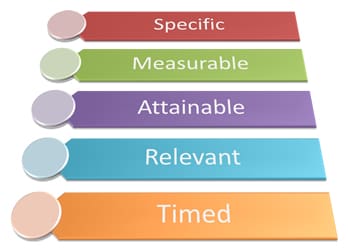
Treatment planning is a written document developed by the counselor and the client. They collaborate with each other to identify and prioritize problems needing resolution. Treatment planning involves determining important treatment goals; it describes measurable steps toward achieving those goals; and it represents an agreement between the counselor and the client.
A treatment plan is not a one-size-fits-all but an individualized document. It must address the identified substance use disorder, potential mental conditions, employment, education, spirituality, health, social, and legal issues as well as issues related to the progress of the treatment.
As I mentioned in previous posts, counselors need to be familiar with the stages of change and readiness for treatment, and be able to establish treatment priorities based on information from the assessment process.
During treatment planning, we should be able to:
- Explain assessment results to the client in an understandable manner.
- Identify and prioritize problems based on client’s needs.
- Formulate immediate and long-term goals using behavioral terms (book recommendation: Martin, Garry. “Behavior Modification: What it is and how to do it.” 9th ed.)
- Identify the treatment methods and resources to be used as appropriate for each client.
- Develop with the client a mutually acceptable treatment plan and method for monitoring and evaluating progress.
One of the main goals during treatment planning is to collaborate with the client and his/her significant others in order to establish a trusting relationship with them.
Assessment
While screening is used to determine whether a client is eligible for admission into a particular program, assessment is an ongoing process to evaluate the treatment plan the client’s progress in treatment.
There are different assessment tools and we must select the one that is more appropriate, based on age, gender, racial and ethnic background, and disabilities.
Assessment tools include:
- History of alcohol and drug use
- Physical and mental health
- Addiction treatment histories
- Family issues
- Work issues
- History of criminality
- Psychological and emotional issues
- Current physical and mental health, and substance use/abuse issues
- Education and basic life skills
- Socioeconomic situation and lifestyle
- Current legal status
- Use of community resources
- Level of readiness for treatment
- Level of cognitive and behavioral functioning
When selecting and administering assessment instruments, we need to know which are the current validated instruments and protocols (remember validity and reliability); we also need to take into consideration the limitations of both the assessment instruments and the counselor’s training and education. Our responsibility is to use these instruments appropriately, so we must recognized when we need assistance from a supervisor (remember: consultation with other professionals).
Extra training, and therefore commitment, is required in order to learn how to analyze and interpret assessment results. In order to determine treatment recommendations, treatment plan modifications, and whether somethings are working better that others, we must be knowledgeable about:
- Scoring methods for assessment instruments
- How to analyze and interpret results
- Available treatment options
Remember that we want that our client participates actively in the treatment process, so we must introduce and explain the purpose of ongoing evaluations.
Finally, we need to keep in mind our agency’s protocols and procedures; appropriate terminology and abbreviations (avoid jargon!); legal implications of actions and documentation; and how to maintain client’s confidentiality (always important in everything we do).
I. Clinical Evaluation
In order to provide a competent practice, addiction counselors need to learn and understand the 8 Practice Dimensions and the knowledge, skills, and attitudes associated with each of them.
Clinical Evaluation
Clinical evaluation is a systematic approach to recognizing and diagnosing substance abuse problems, including the potential for co-occurring mental disorders.
There are two elements included in the clinical evaluation process:
- Screening
- Assessment
Screening
Screening allows us to review the client’s current situation, including symptoms and other information, in order to determine the most appropriate course of action, taking into consideration the needs and characteristics of the client and the resources available within the community.
This is basically the first interaction between the client and significant others, and the counselor. It is very important how this first interaction is conducted.
Our goal is to establish rapport with our client and her/his significant others. We need to know:
- Why it is important to build rapport.
- The purpose of building rapport.
- The range of human emotions and feelings.
- What constitutes a crisis.
- How to prevent and manage a crisis situation.
- How to identify situations and conditions when additional professional assistance is necessary.
- Sources of assistance available.
The way in which we interact with our client is very important. The client may be experiencing anxiety, anger, fear, going through withdrawals, etc. Here is what we need to do:
- Demonstrate effective verbal and nonverbal communication.
- Identify the client’s beliefs.
- Reflect the client’s feelings and message –Active listening.
- Recognize dangerous situations.
- Treat the client with empathy, respect, and genuineness – Unconditional positive regard.
Gathering Information
Screening is a data-gathering process. Data is gathered from the client and other sources such as family, friends, employer, and coworkers. There are different screening instruments and we must select the ones that are sensitive to age, developmental level, culture, and gender. The data we will gather should include a history of current and past substance use/abuse and substance abuse treatment; physical and mental health; mental and functional statuses; and current socio-economic and environmental problems.
A competent substance abuse counselor must have knowledge in the following:
- Validated screening instruments for substance abuse and mental status.
- Purpose, application, and limitations of those instruments.
- Reliability and validity.
- How to administer and score screening instruments.
- Interpretation of results.
- How to communicate effectively during emotionally charged situations.
- How to write accurately, concisely, and legibly.
The screening process includes determining whether a client is appropriate and eligible for admission into a particular program, so we need to be familiar with:
- Symptoms of intoxication, withdrawal, and toxicity for all psychoactive substances, alone and in combination with others.
- The physical pharmacological, and psychological effects of substance use.
- Acute and Chronic effects.
- Available resources for help with drug reactions, withdrawal, and violent behavior.
- Options, limitations, and legal implications of toxicity screening.
- Meaning of toxicology reports.
- Toxicology language.
- Relationship between psychoactive substance use and violence.
- Diagnostic criteria for suicide risk and danger to others.
- Mental and physical conditions that overlap symptoms of drug intoxication and withdrawal.
Working with the client during the screening process includes helping the client identify the effects of substance use or abuse on her/his current life problems. A very useful tool is Motivational Interviewing (MI). MI will help us assess the client’s readiness to address substance abuse issues; interpret the client’s perception of her/his experiences; and assess the client’s stage of change.
Substance abuse counselor must be familiar with:
- Denial and other defense mechanisms.
- Stages of readiness.
- Stages of change
- Treatment options and their philosophies.
- The client’s needs and preferences.
- Available resources for admission and referral.
Assessment
Professional Readiness
Professional readiness is an ongoing process. It should not be understood as something you get done one time and you don’t look at it again. Professional readiness is directly linked to continuing education.
Understanding Diverse Cultures
A competent substance abuse counselor is constantly learning about:
- Information and resources in regards to diverse cultures, lifestyles, gender and age.
- Information and resources to provide quality care to people with special needs and disabilities.
- How culture, lifestyle, gender, etc. influence behavior.
- How culture, lifestyle, and values influence substance use.
- Assessment and intervention methods that are appropriate to culture and gender.
- Counseling methods that match the needs of people from multicultural backgrounds, and people with disabilities.
- Legislation related to human, civil, and client’s rights.
Self-awareness is Important
If we want to become competent substance abuse counselors, we must be open to evaluation, supervision, and change. In order to grow both personally and professionally, we need to:
- Be aware of our personal and professional strengths and limitations.
- Be aware of cultural, ethnic, and gender biases.
- Look for resources available for continuing education.
- Make a commitment to continuing professional education.
- Know the benefits of self-assessment, clinical supervision, and consultation with other professionals.
- Find ways to enhance our personal and professional growth.
Substance Abuse Prevention
Addictions professionals are not only involved with treatment and recovery. We also have the obligation to participate in prevention programs.
Substance abuse treatment and substance abuse prevention are two different fields. Research shows that for every dollar spent on prevention, 7 to 18 dollars are saved on treatment and recovery.
What we need to learn about substance abuse prevention includes:
- Research-based prevention models and strategies.
- The relationship between prevention and treatment.
- Environmental strategies and prevention campaigns.
- Benefits of working with community coalitions.
I recommend this book Substance Abuse Prevention: The Intersection of Science and Practice, by Julie Hogan et al. I am currently reading this book for my class on substance abuse prevention.
Setting-specific Policies and Procedures
It is our responsibility to learn, understand, and apply our agency’s (the place in which we are currently working) policies and procedures to handle crisis and dangerous situations, such as safety measures for clients and self.
 LCDC Exam Review