Home » Counselor Intern » LCDC Exam 2014 (Page 6)
Category Archives: LCDC Exam 2014
Stimulants (Uppers) – Understanding Addiction
- Stimulants are substances that cause the user to feel pleasant effects such as an increase in energy, due to the ability of the drug’s release of dopamine.
- Stimulants increase alertness, excitation, and euphoria, and are referred to as uppers.
- Cocaine
- Cocaine can be traced back to coca, which has been used as a stimulant for thousands of years.
- Natives of the Andes mountains chewed coca leafs into balls and held them in their mouths. This gave them energy to run and carry large weights long istances over hard terrain.

- The coca leaf is an important part of the culture and civilization in 16th Century Peru. Coca was treated as money even by invaders of the country.
- Angelo Mariani was a French chemist who used extracts from coca in multiple products. It was wine that made him rich.
- Then Dr. W.S. Halsted experimented with cocaine as a local anesthesia. He became known as “the father of modern surgery”.
- Sigmund Freud saw cocaine’s potential for treatment of a variety of complaints. For many years he sang the praises of cocaine. He helped one of his friends through a cocaine psychosis that Freud had prescribed him into.
- Even with so much positive force behind cocaine from 1887 to 1914, 46 states passed laws to regulate cocaine.
- With unverified facts, articles were written stating that cocaine was used at very high rates by blacks in the south, and that they had “homicidal” tendency because of this. It explained that cocaine made black men unaffected by .32 caliber guns. Many of these articles in the press and in medical journals were a major influence on the passage of the Harrison Act.
- Coca paste is coca leaves that have been mixed with an organic solvent, soaked, mixed, mashed and had all the excess liquid filtered out. The paste is made into cocaine hydrochloride that is snorted or injected.
- Freebase is cocaine that is converted into a volatile organic solvent, heated and then the vapors inhaled. This is very dangerous and flammable.
- Crack
- Crack is cocaine mixed with baking soda and water, then dried.
- At the end of the 1960’s cocaine use began to increase again due to the cost of amphetamines.
- Psychiatrist Peter Bourne sounded like Sigmund Freud when he made a case for legalizing cocaine. Many plugged the benefits of cocaine, from doctors to celebrities. It was these doctors and celebrities, along with others with auxiliary income, who could afford the drug due to its high cost.
- Then an inexpensive ($5 to $10 a hit) form of cocaine that could be smoked became available. Again, history repeated itself with the media and politicians going after a certain race of urbanites who used the drug.
- The Anti-drug Abuse act of 1986 targeted high-level crack dealers.
- It lowered the amount of drug you need to be caught due to the potency of crack.
- The Anti-drug abuse act of 1988 added tougher penalties for first time users. After these two laws passed, there was an increase in the number of black Americans in jail and thus concerns about racial profiling was raised.
- The chemical structure of cocaine does not tell us how or why it works.
- Cocaine blocks reuptake many neurotransmitters at one time.
- Chewing or sucking on the leaves allows small amounts to slowly enter the system.
- With snorting the absorption is fast as is the effect on the body.
- Intravenous offers a fast, but short, lasting effect.
- Smoking crack is becoming the preferred way to use cocaine due to the fact that no needles are needed and the high happens fast as well.
- In 1860 the anesthetic properties of cocaine were developed but not used medically until 1884.
- It is stilled used in surgery in the nasal and laryngeal regions.
- Acute toxicity of cocaine or the lethal dose is hard to estimate.
- The route of admission can change the LD as can the form of the drug.
- Chronic toxicity of cocaine is found in problems with the nasal septum and the heart.
- Dependence of cocaine is most likely in those who inject or smoke the drug.
- Lab animals, when given the chance, will administer the drug to themselves until the die. This shows that even without deadly withdraw symptoms, cocaine is additive.
- Cocaine is easy to obtain in most major cities and is around 75% pure. Most of it comes in from South America countries; the majority of that from Peru.
- Due to pressure on the water/land routes, more then half of cocaine is smuggled in at the US- Mexico border.
- Amphetamines
- Amphetamines, patented in 1932, are potent synthetic stimulant capable of causing dependence.
- They were first used as replacement for ephedrine to treat asthma.
- Then it was used as a treatment for narcolepsy due to it being a stimulant.
- American soldiers in WWII used amphetamines to fight fatigue.
- Truck drivers and students use amphetamines to help them stay awake for long periods of time.
- One of several side effects was that people taking amphetamines were not hungry. This became a major use for amphetamines.
- Speed, which is an illegal methamphetamine, is a common and highly used amphetamine.
- Until the 1960 the problems with amphetamines were with legally manufactured and prescribed ones.
- Amphetamines are often used with other combinations of drugs called speedballs.
- An approach to using amphetamines is smoking ice or crystal meth, which induces a rush, followed by a 4-16 hour high.
- Synthesized drugs that mimic the psychoactive effects of amphetamines are called “designer” amphetamines. MDMA (Ecstacy) is the most popular designer amphetamine.
- Amphetamines are consumed in a verity of ways including orally, intranasally, intravenously and smoked.
- When taking amphetamines orally, effects are felt about 1.5 hours after ingesting them. This differs from intranasal peak effects that come 15 to 30 minutes after taking the drug.
- During intoxication, behavioral toxicity can cause the user harm. With large doses over long periods of time paranoia and panic can be problems, as can violence and aggression.
- Compulsive and repetitive actions are yet another development of chronic toxicity of amphetamines.
- Withdraw effects are small and more annoying then dangerous.
- Psychological dependence is a concern with amphetamines.
Drugs and The Brain – Understanding Addiction
- Drugs come from plants either as by-products of them or developed chemically.
- In the US, $150 billion is spent on legal pharmaceutical drugs.
- All pharmaceutical drugs have at least three names.
- chemical name of a drug is the organic chemistry chemical description of the molecule. Most will never know or understand this name of a drug they are taking.
- generic name of a drug is the official name of the drug. It is still a detailed chemical name but much simpler.
- brand name is for a specific formulation and manufacturer.
- The big difference between the generic name and the brand name is that a generic name is public domain while a brand name is trademarked by the company that developed the drug. The developing company gets to name the drug but it must be FDA approved.
- One drug can be a painkiller, a controlled substance, a schedule II substance or just morphine.
- Categories of psychoactive drugs are:
- stimulants
- hallucinogens
- marijuana
- depressants
- opioids
- psychotherapeutics
- nicotine.
- All drugs have defining characteristics.
- The Physician’s Desk Reference has color photographs of most legally manufactured drugs; it also includes information like dose and potency.
- The placebo effect is usually thought of in terms of a sugar or fake pill.
- Many drugs effects are influenced by the users experiences, mood, how tired they are, in addition to other substances in the system, such as food to other drugs.
- Dose-response refers to the correlation between the response and the quantity of drug administered.
- The response may vary due to factors such as tolerance.
- With a dose-response curve we hope to be able to answer a verity of questions; from what is an effective dose or a lethal dose.
- Toxicity, in early animal studies, is measured in how many animals die as a result of taking the drug. After more studies, the therapeutic index is set as LD50 / ED50.
- The margin of safety is the difference between doses necessary for an intended effect and toxic unintended effects.
- Potency refers to the amount of drug necessary to cause an effect, while toxicity is the capacity of a drug to upset or destroy normal body functions.
- The forms and methods of taking drugs greatly effect how the drugs will interact with the users system.
- Oral ingestion is the simplest way the drugs enter the body, but also the most complicated way to enter the bloodstream. Oral ingestion must make it through the acid in the stomach while avoiding neutralization by food and drink. When the drug gets past the stomach it still has to go through the liver, as well as other organs.
- Inhalation is when the drug is smoked or “huffed”. Nicotine, marijuana, crack are most effective when delivered this way. It is also rapidly absorbed due to all the capillaries in the lungs consequently moving quickly into the blood. This is the fastest way to get psychoactive drugs into the system.
- Injection put the drug into the system as well.
- Intravenous injection puts the drugs right in the vein, so the onset of the effect of the drug is fast. You can so put a high concentration of drugs in because it does not have to pass through a membrane.
- Intramuscular injection puts the drug into the muscle and subcutaneous goes just under the skin.
- Topical application is not used as often because many drugs are not absorbed effectively through the skin.
- After drug administration, the body eliminates the drug through metabolism and excretion.
- The drug will either leave the system or be changed so much that it will no longer have an effect on the body.
- Prodrugs have been developed to start working only after they have been altered by the body.
- The body has adaptive processes such as tolerance and dependence to protect against potential harm.
- With drug disposition tolerance the more the drug is used the faster the metabolism or excretion.
- Behavioral tolerance (conditioned tolerance) is when the behavior of the user changes even if the bio-chemical reaction in the body does not. There is strong evidence that tolerance effects are maximized when the drug-taking behavior occurs consistently in the same surroundings or under the same circumstances.
The Nervous System – Understanding Addiction
- Homeostasis = Balance
- Maintained by the release of endogenous regulatory chemicals such as neurotransmitters and hormones. Many drugs affect these substances and change the function of the nervous or endocrine system.
- There are two main types of cells in the nervous system: glia and neurons.
- Glia cells out-number neurons but cannot process information like neurons. Glia cells make up the blood-brain barrier that protects the brain from toxic chemicals in the blood.
- All nervous systems consist of neurons, axons and receptors.
- Activation of receptors by neurotransmitters cause a change in activity of the target cell and many of the effects of psychoactive drugs are due to the ability to alter neurotransmitters.
- Neurons are the basic structural unit of the nervous system that are responsible for analyzing and transmitting information. There are more the 100 billion neurons in the nervous system.
- The typical point of communication is the synapse. The gap between neurons is called the synaptic cleft.
- The two types of synapses are the excitatory synapse and the inhibitory synapse. The receiving region is called the dendrite.
- The receptors are proteins that help regulate activity of cells in the nervous system and throughout the body.
- Some specific drugs and natural neurotransmitters can activate the same receptors.
- Communication is accomplished through a specific, precise rapid method. The message is transmitted along a neuron’s axon. Neurotransmitters are released so the communication can happen from one neuron to the other.
- There are agonistic and antagonistic effects on receptors.
- Agonistic drugs interact with the receptor and produce a response, whereas antagonistic drugs interact with the receptor but prevent a response.
- Selective blocking of some channels prevents the communication between the neurons. An example of this would be cocaine and other local anesthetics.
- Neurotransmitters most likely altered by drug abuse include acetylcholine (ACh), epinephrine, dopamine, serotonin, and the endorphins.
- The somatic nervous system carries sensory information from outside the body into the CNS and motor information out.
- These voluntary movements come from large cells with long axons. The seven senses are produced from this system.
- The autonomic nervous system (ANS) cell bodies are located within the brain or spinal cord but their axons project outside the CNS to involuntary muscles.
- The ANS is divided into two components that contest each other
- the sympathetic –Fight or Flight– and
- the parasympathetic –Rest and Digest– branch.
- Like amphetamines and other sympathomimetic drugs, the sympathetic branch speeds up both heart and breathing rates, and is a vasoconstrictor.
- The parasympathetic branch releases the neurotransmitter ACh and has essentially the opposite effects of sympathetic.
- The central nervous system contains the brain and spinal cord.
- The cerebral cortex receives sensory input, interprets visual information, as well as processes auditory information. Reasoning and language occur here.
- The basal ganglia are the primary centers for involuntary movement and are hidden from external view underneath the cerebral cortex.
- The hypothalamus integrates information from many sources and is the control center for the autonomic nervous system.
- The hypothalamus is a small structure near the base of the brain that is involved in sex drive, hunger, body temperature and others.
- The limbic system regulates emotional activities, memory, and modulation of basic hypothalamic functions, mating, procreation, and caring for young.
- The neurotransmitters most associated with psychoactive drugs are dopamine, acetylcholine, norepinephrine, serotonin, GABA, glutamate and endorphins.
- There can be positive or negative effects from drugs on these neurotransmitters.
- Some drugs help misfiring neurotransmitters or help to increase the amount of them when a body is naturally low. Others, however, do harm by doing the same action in a user who already has a natural level of neurotransmitters.
- Precursors are the building blocks of neurotransmitters that are found circulating in the blood.
- After they are synthesized the neurotransmitters are stored in vesicles waiting to be released. The release happens in microseconds in less than 1/10,000th of an inch of space to several thousand neurotransmitters.
- GABA is called an inhibitory neurotransmitter. Many sedatives are dependent upon their binding to theGABA receptors.
- One way neurotransmitters molecules are removed from the synapse is that some molecules have specific transporters built into their terminals. This brings the neurotransmitters molecules back into the releasing neuron. Other neurotransmitters have enzymes in the synapse that metabolize molecules.
- In Positron Emission Tomography (PET) a radioactively labeled chemical is injected in the bloodstream then a computer tracts it as it flows through the brain.
- Magnetic Resonance Imaging (MRI) uses strong magnetic fields and measures the energy coming from molecules as the field is collapsed.
Re-blogged from LCDC Exam Review (WordPress)
Today’s Society &
Drug USe
- Drug use is taking an aspirin for a headache, or a single dose of cough syrup for a cough or a hit of acid.
- How the drug is taken has an effect on how the body reacts.
- How much and how often are points that make the difference between normal use and abuse.
- Four principles of psychoactive drugs:
- Drugs are not bad or good; they are not evil, they are a substance. By itself a drug
 cannot do anything until it enters a body. Some drugs help the body function when taken correctly but can cause harm when misused or abused.
 - Every drug has multiple effects. No part of the body works independently from the rest; all systems are connected. When a drug is taken it affects all parts of the body it passes through.
- Both size and the quality of the drug affect the effects of the drug. The better the quality, or the larger the dose the larger the response or the more severe the response.
- The effects of a drug depend on the person. Not only personality, but age, race, weight… all of them influence how the body takes in and responds to the drug.
- History tells us that humans have used, misused and abused some plants or substances for as long as humans have been around.
- Four pharmacological revolutions
- 19th century – vaccines. This is the first time drugs were used to help stop the number one killers at the time: communicable diseases. For the first time there were drugs that were powerful and have selective beneficial effects. This helped people have faith in medicine stopping illness.
- WWII – antibiotics. Not only did they help cure diseases but also helped prevent infection. This got us to the point that we are now; we expect to take something to fix everything.
- 1950’s – anti-psychotic drugs. This was the first time that drugs were used to treat psychotic disorders. This changed the way people saw and treated mental illness. We have new drugs that effect how we think, our emotions, and perceptions.
- Oral contraception – now we have control of our body through chemicals. Some drugs are not meant to treat anything but to control and change the way the body was meant to work.
- Then there were many social changes in the US: The Beatles, civil rights, Vietnam, LSD, etc. Drugs became more common and accepted.
- In 1971 Nixon declared the first “War on drugs”; yet during this time the legal drinking age was lowered and penalties for having marijuana were eased.
- In the 80’s tolerance lessened. The legal drinking age was raised to 21 again and penalties were stiffened on all drugs, including marijuana.
- Perception of the risk – when the perception of the risk is low the use is high and vice versa. This differs from perception of availability.
- Longitudinal studies are one way we have looked for antecedents of drug use.
- Evidence tells us not to do things but we do them anyways; from eating too much, driving too fast,drinking too much, texting while driving, and driving while intoxicated
- Cultural trends influence what drugs are being used.
Alcohol – Understanding Addiction
- Mead, made from honey dates back to about 8000 BC. Beer and wine followed close behind.
- Fermentation is the basis to all alcohol. Depending on what fruits, grains and yeast is used gives you different types of alcohol fewer than 15 percent concentration; above 15% distillation in needed.
- In the US large scale distillation started at the end of the 18th century.
- It was more profitable to ship a barrel of whiskey than it was to ship 100 bails of corn.
- The percent of alcohol content is indicated by proof in the United States. The percent alcohol is half the proof = 90 proof whiskey is 45 percent alcohol.
- Beer is about 4 percent alcohol. It is made by adding barley malt to other grains. Then hops are added with the yeast. From there, different techniques give the variety of tastes of beer.
- In the US Anheuser-Busch , Coors, and Miller make up a majority of beer sales. Imported and independent (microbreweries) beers are growing in popularity.
- Wine is one of the oldest alcoholic beverages that is still drunk today.
- There are two main types of American wine, generics and Varietals. Generic is made to taste like a region in Europe. Varietal is made from a specific type of grape. There are more Varietal wines and they are normally more expensive the Generic wine.
- Other wines add sugar, brandy or are fortified making sherry, port, Madeira or Muscatel.
- Distilled spirits were first known to Europeans as fermented malted barley. Whiskey made in the US began to grow in popularly in 1789. Today many commercial distilleries produce 95 percent pure alcohol. The proof influences the taste and other properties of liquor.
- In the 1700’s most Americans drank more alcoholic beverages than water because water was not always clean.
- Alcoholic drinks were seen as good while drunkenness was seen as bad. The problem was the “weak” person not the alcohol.
- Things soon changed and alcohol became “evil” and demonized. In 1784 Dr. Benjamin Rush documented the problems of heavy drinking such as jaundice, delirium, and seizures.
- Today these are all proven disadvantages of long term heavy drinking. Dr. Rush was the first to call theaddiction to alcohol a disease. Other doctors saw the same symptoms in others, which led to thetemperance movement.
- In the temperance movement, people were to use beer and wine in moderation and no distilled spirits at all. Soon beer became a problem as well and the temperance movement started to include abstaining from all alcohol beverages, including beer and wine.
- In 1851 Maine became the first state to have a prohibition law. 13 states fallowed but by 1868 9 states had rescind them. After that many states and counties became “wet” or “dry”.
- Then on January 16th, 1920, one year after the 36th state ratified the law, the 18th Amendment was national law. This made the sale, manufacture and transport of intoxicating liquors illegal.
- As a result organized crime became profitable and speakeasies and bathtub gin became common words.
- Another effect was that alcohol consumption went down and deaths from alcohol went down.
- On February 20th, 1933 the 18th Amendment was repealed by the 21st Amendment. One of the main reasons was tax revenue the government was missing and the beginning of the great depression.
- By the end of the “noble experiment” alcohol dependence and alcohol-related deaths were lower then before Prohibition.
- Some state and local governments remained completely dry or allowed just the sell of beer and wine. This is still true today.
- The age at which someone can drink was 18 or 21, depending on the state, until 1988 when all states had to have a minimum age of 21 or lose federal transportation money.
- Today the federal government gets 1% or $8.5 billion of all taxes collected from alcohol tax. Then the states tax collect $4 billion each year in taxes from alcohol. With all of these taxes added up, more than half the cost of the average bottle comes from taxes.
- Ethnic and social factors lead to differences in patterns of use. The Irish are associated with drinking hard liquor while the French are associated with wine. Russian and Irish are associated with heavy drinking and drinking problems from hard liquor while Germany is associated with beer. In reality the Czechs are the world’s leaders in beer and the French have the highest rate of alcohol dependence, suicide and death from cirrhosis of the liver.
- About one-third of adults in the United States said they abstain from alcohol.
- Half the alcohol that is consumed in the US is done by 10% of the drinkers. Aspects that effect if and how much someone drinks is race, gender, religion, urban vs rural, and education level.
- College students are still associated with heavy drinking. They are more likely to binge drink than drink every day.
- Many schools have banned alcohol at school related activities and have stiffer penalties for groups that break school rules. This has not changed how many college aged drinkers drink.
- The absorption of alcohol in the body is not only dependent on the type of alcohol but the gender, their weight, what they ate and how often they work out among other things.
- When alcohol is taken in, it is distributed throughout the body in the blood in addition to other body fluids.
- Until the alcohol is metabolized it remains in the body. Only about 2% escapes the body in its original form.
- The enzyme alcohol dehydrogenase converts alcohol to acetaldehyde and that gets converted to acetic acid. Until that happens nothing will “sober” a person up; not coffee, exercise, a pill or a sports drink.
- Some people have a higher amount of the enzyme than others. Heavy drinkers will start to have higher levels of this enzyme because the liver will adjust.
- Until the 19th century alcohol was used as an anesthetic because of it’s affect on the CNS.
- It had many disadvantages in comparison to nitrous oxide and ether so it was not used once there was an alternative.
- Alcohol enhances the inhibitory effects of GABA as well as effects on other neurons in the brain. Even at low levels there are adverse effects on behavior; euphoria sets in, there is a reduction in anxieties, inhibitions go away and simple behaviors become hard.
- While a heavy drinker’s blood-alcohol-concentration (BAC) will continue to go up, the behavioral effects will not be provoked as fast as in a novice drinker.
- In the early 1980’s attention was given to driving while drunk. Dose has a large effect on the ability to drive safely. With a BAC of .08 a driver is three times more likely to be involved in a crash than those who have not had anything to drink. If the driver has little experience with driving in the first place, it is up to five times than a sober adult with training. The risk goes up from there, if the BAC goes up. Drinking and driving is still a problem today.
- No other psychoactive drug has been linked to sexual behavior as alcohol has. Shakespeare knew how alcohol affects sex drive and sexual performances. Today alcohol is linked to risky sexual behavior. This is an example of how alcohol affects the brain and decreases inhibitions. Many times we are willing to have unprotected sex while we are under the influence of alcohol, something that we would not normally do; and even just have sex with someone we would not normally do it.
- Alcohol is also associated with many sexual assaults. Alcohol impairs information processing so that the user concentrates on the action and not the outcome.
- Blackout can affect the user of alcohol as well.
- There is a correlation between alcohol and homicides. About 50% of all the murders are accounted with alcohol.
- Even suicide is associated with drinking; with 1/3 of all suicides involving alcohol.
- Dilation of the peripheral blood vessel make a user of alcohol feels warm when in reality their body temperature is going down.
- Fluid balance becomes a problem as the brain decreases the output of antidiuretic hormone ADH. The diuretic effect is what makes a user increase in urine flow and can lower blood pressure in others.
- Hormonal balance becomes a problem because with each dose of alcohol the adrenal corticosteroid are released and testosterone is suppressed.
- Behavior toxicity comes from the belief that you can do something on alcohol when in reality you cannot, such as operating heavy equipment, swimming, or driving.
- Acute toxicity can come from drinking too much in one sitting.
- There is not a cure for the “hangover”. Other counties call it different things but a hangover is the effect on the body after high or very fast intake of alcohol. Rest and time is what it will take to feel better.
- You can treat some of the symptoms of a hangover but the only cure is not to over indulge in any alcohol.
- Chronic toxicity comes from repeated damage to organs that are directly or indirectly affected by the intake of alcohol. From the brain (Wernicke-Korsakoff syndrome) the heart (heart disease) and the liver (cirrhosis) many areas of the body are effected by heavy drinking. Cancer and immune deficiency are related to many parts of the body affected by alcohol as well as the increased likelihood of getting other diseases.
- When a pregnant woman drinks, she not only puts herself at risk but the baby as well. Fetal alcohol syndrome and fetal alcohol effect impair the baby before and after birth.
Gestalt – Fritz Perls
1. View of Human Nature
a. A Gestalt means a whole, and Gestalt therapy is based on the person feeling whole or complete in their life.
b. Gestalt therapy is considered to be a here-and-now therapy focusing on awareness with the belief that when one focuses on what they are and not what they wish to become, they become self-actualized. The idea being that through self acceptance one becomes self-actualized.
c. The Gestaltists believe that the individual naturally seeks to become an integrated whole, living productively.
d. Gestaltists are antideterministic because they believe that people have the ability to change and become responsible.
e. Gestalt borrows heavily from the viewpoints of existentialist, experientialist, and phenomenologicalist with the emphasis on the present and awareness. Gestalt focuses on the client’s own inner world of interpretation and assessment of the present life situation
f. Gestaltists believe that individuals emphasize intellectual experience, diminishing the importance of emotions and senses, resulting in an inability to respond to the situations or events in their life
g. Gestaltists believe that thoughts, feelings, and reactions to past events or situations can impede personal functioning and prevent here-and-now awareness. The most common unfinished business is that of not forgiving one’s parents for perceived mistakes in one’s parenting.
h. Awareness is considered on a continuum with the healthiest person being most aware. These people are aware of their needs and deal with them one at a time. The emphasis in on reality and not on embellished or imagined needs. The individual recognizes their internal need and meets that need through manipulation of the need and the environment.
Difficulty may arise in several ways:
i. Loss of contact with the environment and its resources.
ii.. Loss of contact with self through over involvement with environment.
iii. Fail to put aside unfinished business.
iv. Loss the Gestalt resulting in fragmentation or scattering.
v. Experience conflict between what one should do and what one wants to do.
vi Experience difficulty with life’s dichotomies, i.e. love/hate, pleasure pain, masculinity/femininity.
2. Role of the Counselor
a. The counselor creates an environment for the client to explore their needs in order to grow.
b. The counselor is fully with the client in the here-and-now with intense personal involvement and honesty.
c. The counselor helps the client to focus on blocking energy and to positively and adaptively use that energy.
d. The counselor also helps the clients to discern life patterns.
e. Among the rules that counselors use to help client:
i. The principle of the now requires the counselor to use present tense.
ii. I and Thou means that the client must address the person directly rather than talk about them or to the counselor about them.
iii. Making the client use the I instead of referring to own experiences in the second (you) or third (it) person.
iv. The use of an awareness continuum that focuses on how and what rather than on why.
v. The counselor has the client convert questions into statements.
vi. DSM-IV categories and standardized assessment is not considered necessary within this theory (Gladding, 1996)
3. Goals
a. The emphasis is on the here-and-now of the client’s experience
b. The client is encouraged to make choices based on the now as opposed to past
c. Help the client resolve the past
d. Assist the client to become congruent.
e. Help the client to reach maturity intellectually.
f. Help the client shed neuroses.
4. Techniques
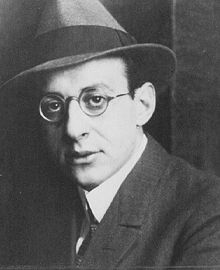
a. Techniques in Gestalt therapy one of two forms, either an exercise or an experiment
i. Exercises include activities such as:
- frustration actions
- fantasy role playing
- fantasy
- psychodrama
ii. Experiments are unplanned creative interventions that grow out
of the here-and-now interaction between the client and the
counselor.
b. Dream work in Gestalt therapy consist of the client telling the dream and then focusing their awareness on the dream from the perspective of each character or element in the dream.
e. Empty chair is a process where the client addresses parts of the personality , as if it were an entity sitting an empty chair. The client may switch perspectives by switching chairs or may simply address the chair. The technique is contraindicated for severely disturbed clients.
f. Confrontation is another of the Gestalt exercises that is very powerful. Basically, the counselor calls attention to the incongruence between the client’s verbalizations and observed emotions or behaviors.
g. Making the rounds is a group exercise in which the client is instructed to say the same sentence to each member of the group and then adding something personal to each person.
h. I take responsibility is the phrase that follows each statement expressing statements or perceptions that the client states. The process is to help the client to integrate their internal perceptions and their behaviors.
i. Exaggeration is over-dramatizing the client’s gestures and movements to help gain insight into their meaning.
j. May I feed you a sentence is the question that the counselor asks before giving the client a more specific expression of what the counselor believes is the underlying message of the client.
Related articles
- Fritz Perls (en.wikipedia.org)
Existential Counseling – Rollo May and Viktor Frankl
1. View of Human Nature
a. Existentialists believe that the individual writes their own life story by the choices that they make.
b. Psychopathology is defined by existentialists as neglecting to make meaningful choices and accentuating one’s potential.
c. Anxiety is seen as the motivational force that helps the clients to reach their potential. Conversely, anxiety is also seen as the paralyzing force that prevents clients from reaching their full potential. Therefore, through awareness, this anxiety can be helpful in living more fully.
d. Frankl shares that each person searches for meaning in life, and that while this meaning may change, the meaning never ceases to be.
e. According to Frankl, life’s meaning can be discovered in three ways:
i.by doing a deed (accomplishments or achievements),
ii. by experiencing a value (beauty, love, nature, and arts)
iii. by suffering (reconciling ourselves to fate)
2. Role of the Counselor
a. Each client is considered a unique relationship with the counselor focusing on being authentic with the client and entering into a deep personal sharing relationship
b. The counselor models how to be authentic, to realize personal potential, and to make decisions with emphasis on mutuality, wholeness and growth.
c. Existential counselors do not diagnose, nor do they use assessment models like the DSM-IV.
3. Goals
a. A goal of existential counseling is to have the clients take responsibility for their life and life decisions.
b. A goal of existential therapy is to develop self-awareness to promote potential, freedom, and commitment to better life choices
c. A major goal is to help the client develop an internal frame of reference, as opposed to the outward one.
4. Techniques
a. The most common technique used in existential counseling is the relationship with the client .
b. Confrontation is also used by existential counselors, when they challenge the clients with their own responsibility for their lives.
Related articles
- Why We Must Actively Pursue Happiness (psychologytoday.com)
- Types of Counselling (counselingresource.com)
 LCDC Exam Review