Home » Counselor Intern » LCDC Exam 2014 » 8 Practice Domains (Page 3)
Category Archives: 8 Practice Domains
5. Counseling – Part III Family and Significant Others Counseling
This is third component of the 5th practice domain: Counseling. (check out Part I Individual Counseling and Part II Group Counseling)
 Addictions affect the person who has them and also her/his family members and significant others. Counseling addicted families should be required, and offered, as part of every treatment service. Unfortunately, some treatment agencies can only afford treating the person with the addiction, and due to lack of resources and funding they cannot get the family and significant others involved.
Regardless for this situation, substance abuse counselors can offer a competent practice when they have the following knowledge:
- Systems theory and dynamics.
- Dynamics associated with substance use, abuse, dependence, and recovery in families and significant others.
- Interaction patterns on substance abuse behaviors.
- Cultural factors associated with family dynamics and substance abuse disorders.
- Signs and patterns of domestic violence.
Although it is difficult to accept sometimes, the truth is that family members contribute in different ways to the substance abuse behavior. It is not about putting the blame on someone, but inevitably each member of a family plays a specific role in a family’s issue; understanding family dynamics helps us understand why addiction is called a family disease.
As I mentioned in a previous post, in family counseling the client is the family as a whole, always considering individual differences. The required experience an addictions counselor must have in this area includes:
- Models of diagnosis for families
- Intervention strategies appropriate for different stages of the problem.
- Intervention strategies for violence within the family.
- Laws and resources regarding violence within the family.
- Methods for engaging family members and significant others in the treatment and recovery processes.
- Confidentiality and regulations regarding family counseling.
Our goals in family counseling are:
- To help families and significant others understand the effect of their interactions on substance use.
- To assist them in identifying and stopping harmful patterns of interaction.
- To help them learn healthy strategies and behaviors that maintain recovery and promote healthy relationships.
- To assist them with referral to appropriate support resources.
5. Counseling – Part II Group Counseling
This is the second part of the 5th practice domain, counseling (go to Part I Individual Counseling).
During group counseling, our client is the group as a whole, just as in couples counseling the client is the couple and not the individual members. However, we still have to consider individual differences when forming a group. Things to consider are:
- Group type
- Purpose of the group

- Group size
- Member selection criteria
- Group goals
- Behavioral ground rules for participating
- Outcomes
- Criteria and methods for termination or graduation from group

Group counseling is an important part of treatment. It is very common that a counselor will facilitate in a group where some of her/his clients from individual counseling will participate. A competent counselor must know:
- Group methods appropriate to help the client achieve objectives.
- The effectiveness of various models and strategies for group counseling for populations with substance abuse problems and with members of multicultural backgrounds.
- How to accommodate individual needs within the group.
- How to apply confidentiality rules in group.
- Developmental processes affecting groups over time.
- Transition stages in therapeutic groups.
- How to effectively address resistant behaviors, transference issues, and countertransference issues within group.
- How to facilitate the entry on new members and the transition of exiting members.
Group counseling could be challenging at times, especially when the counselor does not have a clear idea of what her/his role is in group. In order to conduct group counseling effectively, without getting all our energy drained in the first 10 minutes of session, we must know:
- Leadership, facilitator, and counselor methods appropriate for each group type and therapeutic setting.
- Types and uses of power and authority in group counseling.
- When and how to use appropriate power.
Documentation is part of group counseling too. We must document measurable progress toward group and individual goals; know the concepts of process and content, in order to make appropriate process interventions.
We must be able to describe and summarize the client’s behavior within group. This will help us identify the client’s progress as well as issues and needs that may require a modification in the treatment plan.
5. Counseling – Part I Individual Counseling

Counseling is a set of methods adapted to individual clients, and designed to help that client progress toward mutually determined goals about her/his recovery.
A competent counselor understands and has the ability to apply the many different models of addiction counseling. Counseling includes:
- Individual counseling
- Group counseling
- Couples counseling
- Families counseling
Individual Counseling
Our main goal is to establish a helping relationship with our client. A helping relationship is non-judgmental, which creates an environment of warmth, respect, genuineness, and empathy in which our client can feel safe to talk about the most difficult issues in her/his life.
Counseling is not about just listening people talk about their problems. Being non-judgmental is not something we decide to do, but someone we learn how to be. To accomplish this, drug addictions counselors need to know:
- Approaches to counseling that are person-centered and have demonstrated effectiveness in the treatment of substance abuse disorders
- Meaning of warmth, respect, genuineness, concreteness, and empathy ( not your personal definition, but the meaning of these concepts as they apply to the helping relationship)
- Active listening
- Transference and countertransference
Counseling is all about getting our client engaged in her/his own treatment and recovery process. Addictions counseling is not about telling people what to do and how to live their lives, or imposing our morals and values on them. As I have mentioned before, counselors need to know:
- theories and research about client’s motivation
- counseling theories to promote client engagement
- stages of change
Our goals (as counselors) in counseling, are:
- To work with our client to establish realistic and achievable goals
- To promote our client’s knowledge, skills, and attitudes towards positive change, including the maintenance of health and prevention of HIV/AIDS, tubeculosis, STDs, hepatitis C, and other infectious diseases
- To work appropriately with our client to recognize and discourage all behaviors inconsistent with the progress in recovery
- To know when, how, and why to involve the client’s significant others
- To facilitate the development of basic life and social skills
- To make constructive therapeutic responses when the client’s behavior is inconsistent with the agreed recovery goals.
- To apply crisis prevention and crisis intervention skills
4. Service Coordination
Service coordination is the action that brings the client, treatment services, and community resources together in order to address issues and needs identified in the treatment plan. It includes case management and client advocacy; all of this to enable the client to achieve specified goals.
Services coordination includes these three main activities:
- Implementing the Treatment Plan
- Consulting
- Continuing Assessment and Treatment Planning
Implementing the Treatment Plan
Our goals in this area are:
- To initiate collaboration with the referral sources.
- To obtain, review, and interpret information from screening and assessment processes.
- To make sure that our client is eligible for admission into specific treatment.
- To assess readiness for treatment and change.
- To complete necessary administrative procedures for admission to treatment.
- To establish accurate treatment and recovery goals with the client, making sure the family is also involved. Things to discuss with our client and his/her family are:
- Nature of services
- Program goals
- Procedures
- Rules of conduct
- Schedule of treatment activities
- Cost of treatment
- Duration of care
- Client’s rights and responsibilities
- Effects of treatment and recovery on client and significant others
Consulting
Our main goal here is to continuously evaluate our client’s recovery process and the problems interfering with this progress, always considering the client’s background and treatment plan. This action will provide us, the counselors, with good feedback to adjust the treatment. Our main responsibilities are:
- To be familiar with methods for assessing the client’s past and present biopsychosocial status.
- To understand the terminology, procedures, and functions of other disciplines related to the treatment of substance abuse disorders.
- To collaborate as part of a multidisciplinary treatment team.
- To maintain confidentiality and respect regulations.
- To establish and maintain nonjudgmental relationships with clients and service providers.
Continuing Assessment and Treatment Planning
We are responsible for maintaining an ongoing contact with client and involved significant other to make sure they are following the treatment as planned. Although we cannot make the client do anything, including staying in treatment, we can still try to engage the client and significant others in the treatment process. Therefore, we need to:
- Understand the stages of change
- Assess treatment and recovery progress in consultation with our client and significant others
- Make appropriate modifications to the treatment plan
- Describe and document the treatment process, progress, and outcomes accurately
- Engage the client and significant others with continuing care
- Help the client develop a relapse prevention plan
- Address confrontation, conflict resolution, and problem-solving with the client
- Discuss discharge planning with the client and significant others.

3. Referral
Referral is the process through which the counselor helps the client find available support systems and community resources to meet the needs identified in the clinical evaluation and treatment planning. As competent counselors, we must be familiar with the mission, function, resources, and quality of services of:
- civic groups, community groups, and neighborhood organizations
- health and allied healthcare systems (managed care)
- employment and vocational services
- cultural enhancement organizations

- faith-based organizations
- governmental entities
- criminal justice systems
- child welfare agencies
- housing administrations
- childcare facilities
- crisis intervention programs
- abused persons programs
- self-help groups
- advocacy groups

We must be familiar with the criteria to be eligible to receive community services, including fee and funding structures; how to access community agencies and service providers; and community resources for both affected children and other members of the family.
Since some of the resources in the community might end or be closed down, we need to continuously evaluate the available resources and make sure they are appropriate for our client. We also need to evaluate the motivation and ability of our client to make use of the referrals.
Remember, it is not enough with being a counselor and making the referral; how we do it, is also very important. The skills we need in this area, are:
- Professional oral and written communication for successful referrals
- Use of appropriate technology to access, collect, and deliver necessary documentation
- Document the referral process accurately
Just as with everything mentioned in previous topics, we want to explain to our client, in clear and specific language, the necessity for referral and process of it. If our client understands this step, there is an increased likelihood the she/he will follow through.
Finally, we want to evaluate the outcome of the referral. We must know the methods and procedures used to assess the client’s progress toward treatment goals.
2. Treatment Planning
This topic is important. It is part of both the 12 Core Functions and the 8 Practice Domains. I briefly mentioned it in a previous post, so you will find a lot of similarities. Here I go into more detail.
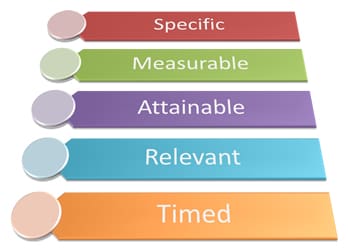
Treatment planning is a written document developed by the counselor and the client. They collaborate with each other to identify and prioritize problems needing resolution. Treatment planning involves determining important treatment goals; it describes measurable steps toward achieving those goals; and it represents an agreement between the counselor and the client.
A treatment plan is not a one-size-fits-all but an individualized document. It must address the identified substance use disorder, potential mental conditions, employment, education, spirituality, health, social, and legal issues as well as issues related to the progress of the treatment.
As I mentioned in previous posts, counselors need to be familiar with the stages of change and readiness for treatment, and be able to establish treatment priorities based on information from the assessment process.
During treatment planning, we should be able to:
- Explain assessment results to the client in an understandable manner.
- Identify and prioritize problems based on client’s needs.
- Formulate immediate and long-term goals using behavioral terms (book recommendation: Martin, Garry. “Behavior Modification: What it is and how to do it.” 9th ed.)
- Identify the treatment methods and resources to be used as appropriate for each client.
- Develop with the client a mutually acceptable treatment plan and method for monitoring and evaluating progress.
One of the main goals during treatment planning is to collaborate with the client and his/her significant others in order to establish a trusting relationship with them.
Assessment
While screening is used to determine whether a client is eligible for admission into a particular program, assessment is an ongoing process to evaluate the treatment plan the client’s progress in treatment.
There are different assessment tools and we must select the one that is more appropriate, based on age, gender, racial and ethnic background, and disabilities.
Assessment tools include:
- History of alcohol and drug use
- Physical and mental health
- Addiction treatment histories
- Family issues
- Work issues
- History of criminality
- Psychological and emotional issues
- Current physical and mental health, and substance use/abuse issues
- Education and basic life skills
- Socioeconomic situation and lifestyle
- Current legal status
- Use of community resources
- Level of readiness for treatment
- Level of cognitive and behavioral functioning
When selecting and administering assessment instruments, we need to know which are the current validated instruments and protocols (remember validity and reliability); we also need to take into consideration the limitations of both the assessment instruments and the counselor’s training and education. Our responsibility is to use these instruments appropriately, so we must recognized when we need assistance from a supervisor (remember: consultation with other professionals).
Extra training, and therefore commitment, is required in order to learn how to analyze and interpret assessment results. In order to determine treatment recommendations, treatment plan modifications, and whether somethings are working better that others, we must be knowledgeable about:
- Scoring methods for assessment instruments
- How to analyze and interpret results
- Available treatment options
Remember that we want that our client participates actively in the treatment process, so we must introduce and explain the purpose of ongoing evaluations.
Finally, we need to keep in mind our agency’s protocols and procedures; appropriate terminology and abbreviations (avoid jargon!); legal implications of actions and documentation; and how to maintain client’s confidentiality (always important in everything we do).
 LCDC Exam Review